


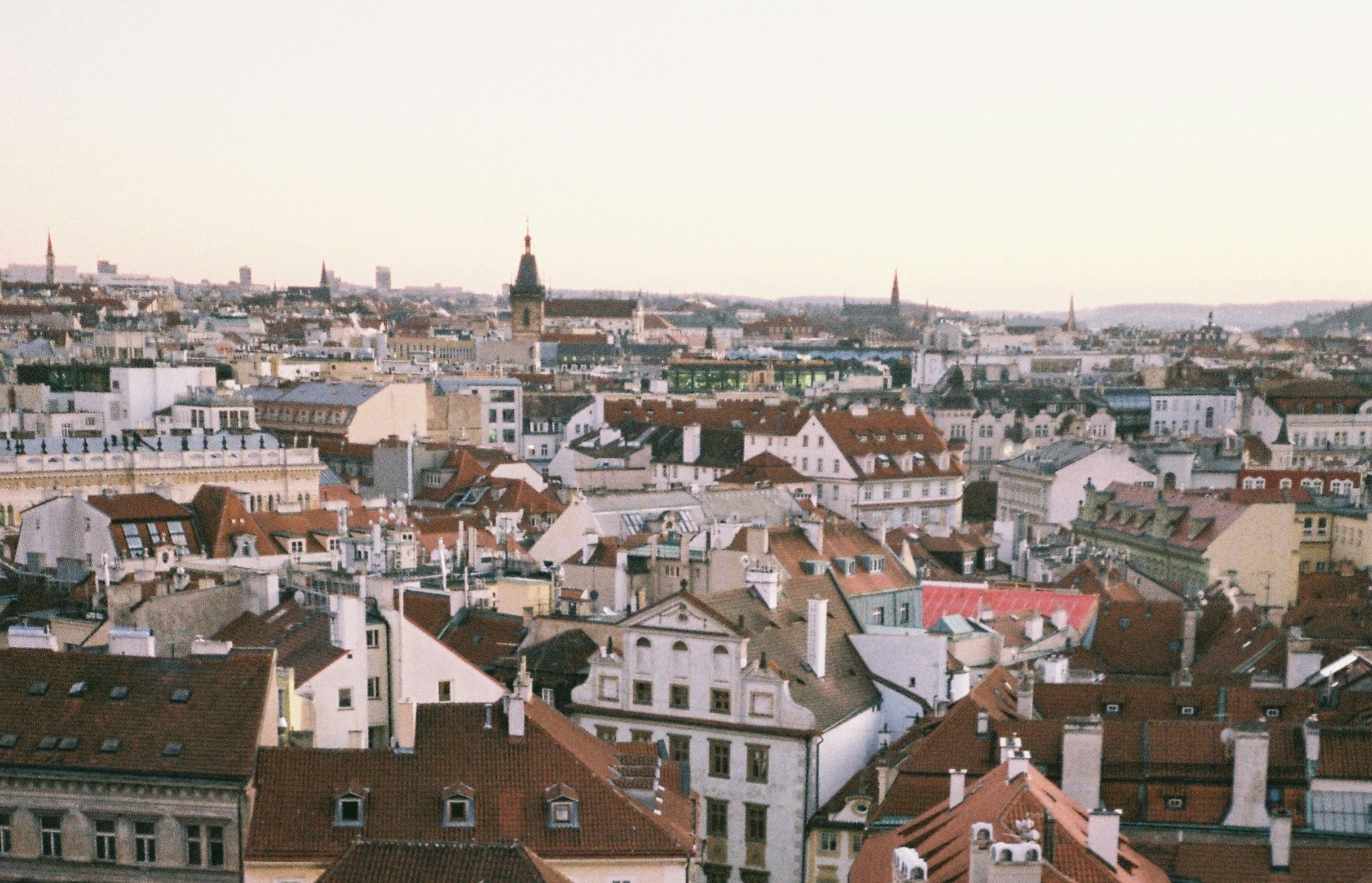
You buy an apartment in Prague with every intention of living in it. Then life happens. Your company transfers you to another country. You decide to move in with your partner. Maybe you simply want to keep the property as an investment instead of selling it.
Renting it out sounds straightforward. Find a tenant, collect the rent, and let the apartment pay for itself.
That is usually the plan. The reality is that many expat owners discover a collection of tax rules, mortgage conditions, and local regulations they never considered when they signed the purchase contract. None of these issues are impossible to deal with, but sorting them out after the first tenant has moved in is much more stressful than understanding them beforehand.
Your first tenant also creates tax obligations
One of the biggest surprises for foreign owners is that rental income creates tax responsibilities in the Czech Republic, even if you no longer live here.
If you receive income from renting out Czech property, that income is generally taxable in the Czech Republic because the property is located here. In practice, you may need to register with the Czech tax authority if you are not already registered and file an annual Czech tax return declaring your rental income.
Whether you also pay tax in your home country depends on your tax residency and the relevant double taxation treaty. Many expats assume they will end up paying tax twice. In reality, tax treaties are designed to prevent that, although the paperwork can become more complicated.
If you remain a Czech tax resident, you report your worldwide income in the Czech Republic. If you become a non resident, you will normally report only your Czech source income here, including rental income from your Prague apartment. The exact outcome depends on your personal circumstances, which is why professional tax advice often saves both money and unnecessary stress.
Need help finding a property? Meet with us!
Long term tenants and Airbnb are two very different worlds
Some owners imagine they will simply switch between Airbnb guests and long term tenants whenever it suits them.
Prague has made that approach much less straightforward.
Short term accommodation is increasingly treated differently from standard residential renting. Various municipalities, including Prague, have pushed for tighter regulation of platforms such as Airbnb because of their impact on housing availability and neighbourhoods. The legal framework continues to evolve, and owners should expect stricter reporting and operational requirements than those applying to traditional residential leases.
A standard long term rental usually offers a much simpler legal and administrative path. You sign a lease agreement governed by the Czech Civil Code, register the income correctly for tax purposes, and comply with the usual landlord obligations.
Short term accommodation often brings additional considerations such as municipal rules, guest reporting obligations, business licensing questions, and much higher management demands. Before choosing that route, it makes sense to understand exactly which rules apply to your building and your intended use.
Your mortgage may have something to say about your plans
Many buyers never ask their bank one simple question.
“What happens if I rent out the apartment?”
The answer depends on the mortgage contract.
Some Czech banks distinguish between owner occupied properties and investment properties when assessing risk. Others mainly want to know whether the rental changes the original purpose declared during the application. In many cases, renting out the apartment later is perfectly acceptable, but some lenders require notification or may include specific contractual conditions.
This does not automatically mean your interest rate changes overnight. However, ignoring the mortgage conditions is never a good strategy. It is much easier to clarify the situation before signing a lease than to explain it after the bank discovers the property is no longer owner occupied.
Banks also look differently at future mortgage applications if you already own rental property. Stable rental income can strengthen your financial profile, but they will also examine vacancy risks, operating costs, and existing loan commitments rather than counting every crown of rental income as guaranteed earnings.
The numbers still make Prague attractive
Despite higher borrowing costs compared with the ultra cheap mortgage era, many foreign owners continue to see Prague as a long term investment.
According to the Czech National Bank, the two week repo rate stood at 3.50 percent during the first half of 2026 after a series of gradual rate cuts from previous peaks. Mortgage pricing has followed the same general direction, although banks continue to price individual clients differently depending on income, nationality, and overall risk profile.
Property prices have also remained resilient. Czech Statistical Office data and market statistics published during 2025 and early 2026 show that residential property prices in Prague continue to sit well above pre pandemic levels despite a temporary slowdown in transaction volumes. Demand remains supported by limited housing supply and steady population growth in the capital.
For owners thinking several years ahead rather than chasing quick profits, that combination still makes Prague an attractive market. The rental income may not cover every cost immediately, especially on newer mortgages with higher interest rates, but many investors are looking at the longer picture of gradual loan repayment and property appreciation.
Small mistakes become expensive surprisingly quickly
The biggest problems rarely come from bad tenants.
More often they come from paperwork that nobody realised mattered.
A landlord who forgets to register correctly for tax purposes can face unnecessary penalties. Someone who assumes Airbnb follows exactly the same rules as residential renting may discover additional legal obligations after they have already started hosting guests. An owner who never checks their mortgage conditions can end up having awkward conversations with their bank that could easily have been avoided.
Most of these issues are manageable when they are dealt with early. They become frustrating only when they appear unexpectedly.
Owning property in Prague as a foreigner can work extremely well as both a home and an investment. Renting it out is often a sensible next step, but it pays to understand how the Czech system actually works before the first tenant collects the keys. That is exactly the kind of situation CzechAdvisors helps clients with every day, making sure the financial, mortgage, and practical details all fit together before they become expensive surprises.
Looking to buy a property here? Contact us!
When it makes sense to have the right people on your side
Buying the apartment is only one part of the story. Renting it out successfully usually involves several professionals. A mortgage advisor, a tax advisor, and sometimes a lawyer all have a role to play, especially if you live outside the Czech Republic or your situation changes over time.
At CzechAdvisors, we work with a trusted network of tax specialists, legal professionals, and property experts who deal with these situations every day. Whether you need to understand your tax obligations, review a lease agreement, check how renting affects your mortgage, or simply figure out the most practical way forward, we can connect you with the right people.
It saves time, avoids unnecessary mistakes, and gives you confidence that every part of the process is working together, not against you.

This article has been written by Maxmilián Rožek
Maxmilián Rožek
Mortgage Advisor at CzechAdvisors
Need help with a mortgage?
Listen About Other Financial Topics
We have our own dedicated Podcast for Expats!
Questions
If there would be some unaswered questions or you would like to talk with us, leave us a message and we’ll get back to you!
Post a comment
Related Posts
Czech Property Law for Expats: What You Sign, What It Means, and What to Watch For
You have found the apartment. The seller has accepted your offer. The bank is happy…

Prague Rewrote Its Master Plan After 27 Years. Here’s What Actually Changes for Buyers
If you’ve been apartment hunting in Prague this year, you’ve probably felt like the ground…

Why Your Mortgage Rate Does Not Follow the CNB: The Hidden Market Force Behind Czech Home Loans
You check the news and see that the Czech National Bank has lowered interest rates.…
Renting Out Your Prague Apartment as a Foreigner: What You Need to Know
You buy an apartment in Prague with every intention of living in it. Then life…